Easy 3D Adding Puzzles: KDP Practice File for Puzzle Books
If you've ever been captivated by the crisp, logical challenge of a Kakuro puzzle, you understand the unique satisfaction of filling a grid with numbers that all add up perfectly. For creators looking to build their own puzzle books, having the right design assets is the first step toward a polished, professional final product. The Easy 3D Adding Puzzles KDP Practice File is a specialized toolkit designed to streamline the creation of Kakuro-style interiors for your low-content or no-content books on platforms like KDP.
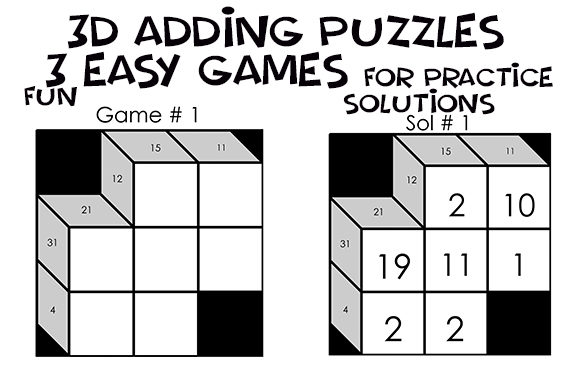
This resource provides a foundational set of practice puzzles, giving you a head start in understanding the layout and visual structure required. The included files are formatted as 8.5 x 8.5 inch JPGs with a white background, featuring three distinct puzzle games with solutions ranging from 1 to 20. Crucially, these are practice files—they are not ready for direct upload to KDP. Instead, they serve as a valuable template and learning tool, allowing you to customize and build out your own unique puzzle pages.
Understanding the Creative Workflow
The true value of this KDP practice file lies in its flexibility. The puzzles are delivered in a PowerPoint (PPTX) format, which opens up a world of customization. You can renumber the games to fit your book's sequence, and while the Master Slide allows for font changes, it's important to note that numbers may require manual repositioning afterward. This hands-on approach is perfect for creators who want to maintain complete control over the visual identity of their puzzle book.
- Customization: Adjust numbering, fonts, and overall layout to match your book's theme.
- Learning Tool: Study the grid structure and clue placement of professional-looking Kakuro puzzles.
- Foundation Building: Use these templates to create a consistent style for your entire book interior.
For those ready to move from practice to publication, the package includes a PDF file. However, you will still need to undertake the final page assembly yourself, ensuring your interior meets KDP's specific upload requirements. This process is where you transform a practice file into a seamless part of your brand identity for your puzzle book series.
Integrating Puzzle Aesthetics into Design Projects
Beyond its primary use for KDP interiors, the clean, geometric aesthetic of 3D adding puzzles offers inspiration for broader graphic design and typography projects. Think of the bold, clear numbers and structured grid—they echo principles found in modern typography and editorial design. A designer might use this grid-like logic to inform layouts for poster design or social media graphics, creating a sense of order and intellectual engagement.
When selecting any design asset, whether it's a premium font or a puzzle template, consider these practical tips:
- Readability is Key: Ensure numbers and clues are clear at various sizes, just as you would test a sans serif font for web design.
- Mood Matching: Does the crisp, logical feel of the puzzle align with your project's tone? It pairs well with themes of intelligence, strategy, and calm focus.
- Pairing and Cohesion: If using puzzle elements in a larger design, consider how they interact with your chosen typeface. A clean serif font can complement the structured grid beautifully.
Choosing well-crafted creative fonts and assets is about more than just aesthetics; it's about building visual consistency and enhancing brand recognition. A thoughtfully designed puzzle book interior, built from a reliable practice file, demonstrates professionalism that readers notice. It shows you’ve invested care into the user’s experience, from the cover to every single puzzle grid inside.
Ultimately, whether you're assembling a puzzle book or designing a brand kit, starting with high-quality, flexible resources saves time and elevates your work. The right foundational tools empower you to focus on creativity, knowing the underlying structure is sound and professional.